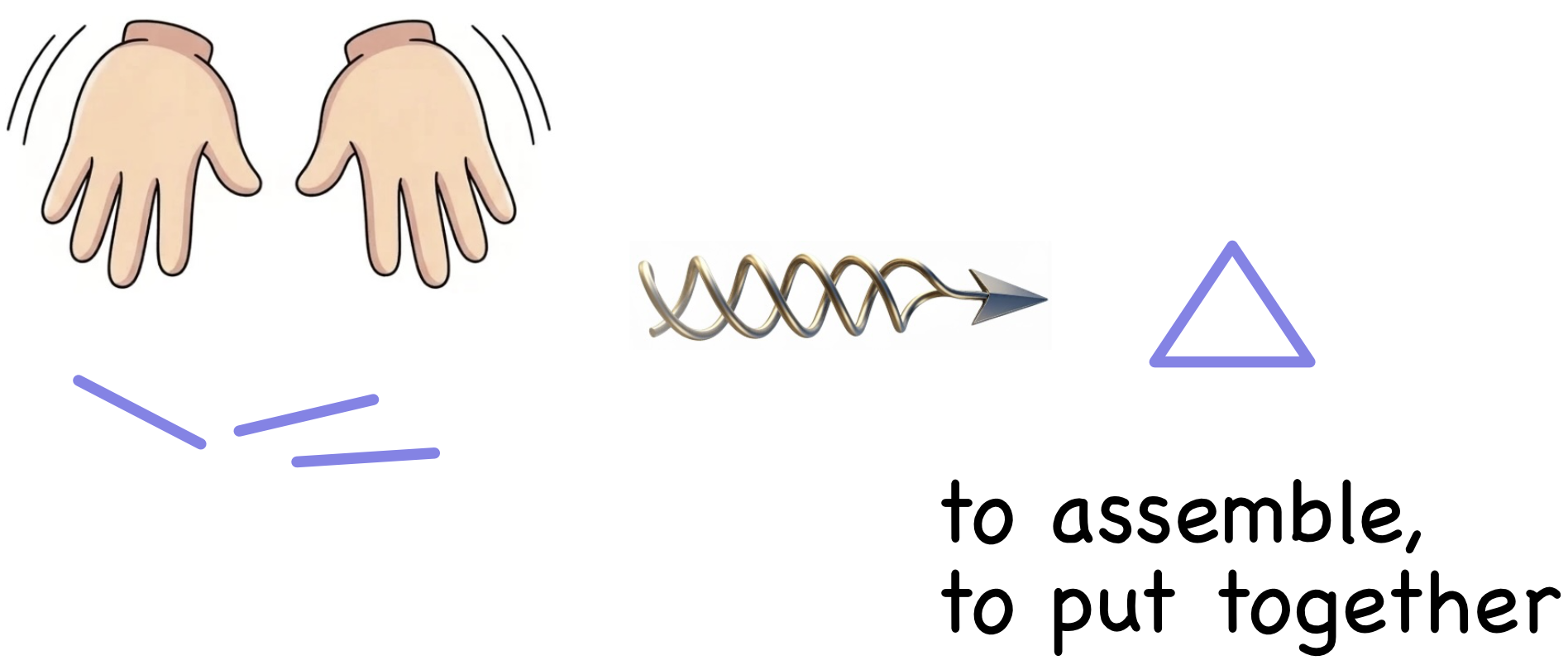
Transformation symbols represent some kind of action. They usually correspond to verbs in regular language. Transformation symbols have a helical arrow that tells the reader to try to imagine how the picture at the tail of the arrow may be transformed into the picture at the head of the arrow. In the symbol below we imagine the hands picking up the purple sticks and putting them together into a triangle.
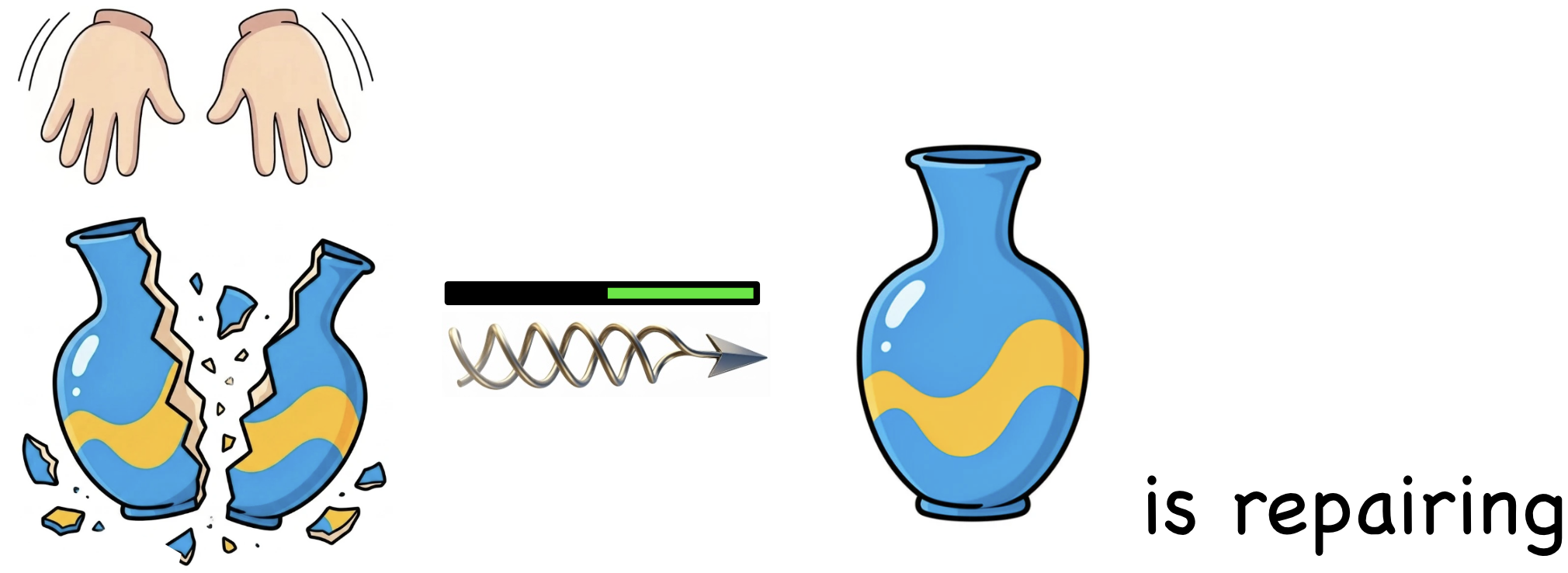
We can add verb tense to the symbol by putting a "progress bar" above the helical arrow. The green part of the progress bar represents the future, and the black part represents the past. You can remember this by thinking that things become dark when they fade into the past.
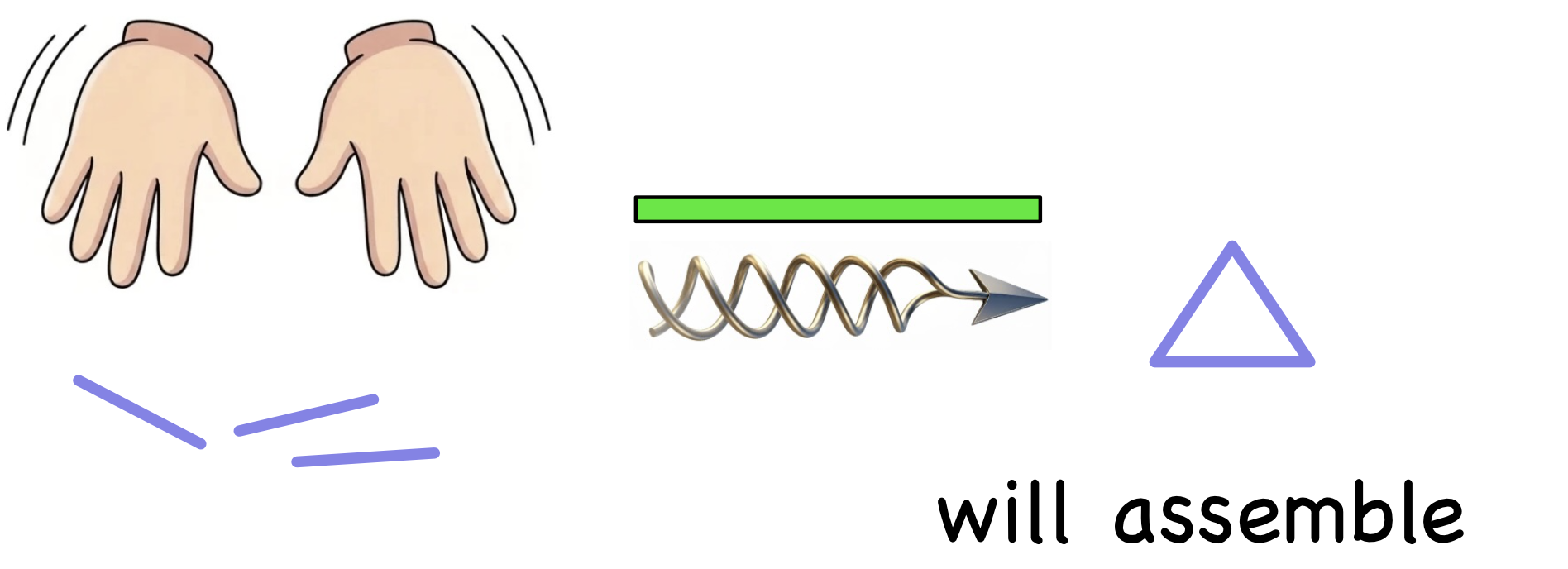
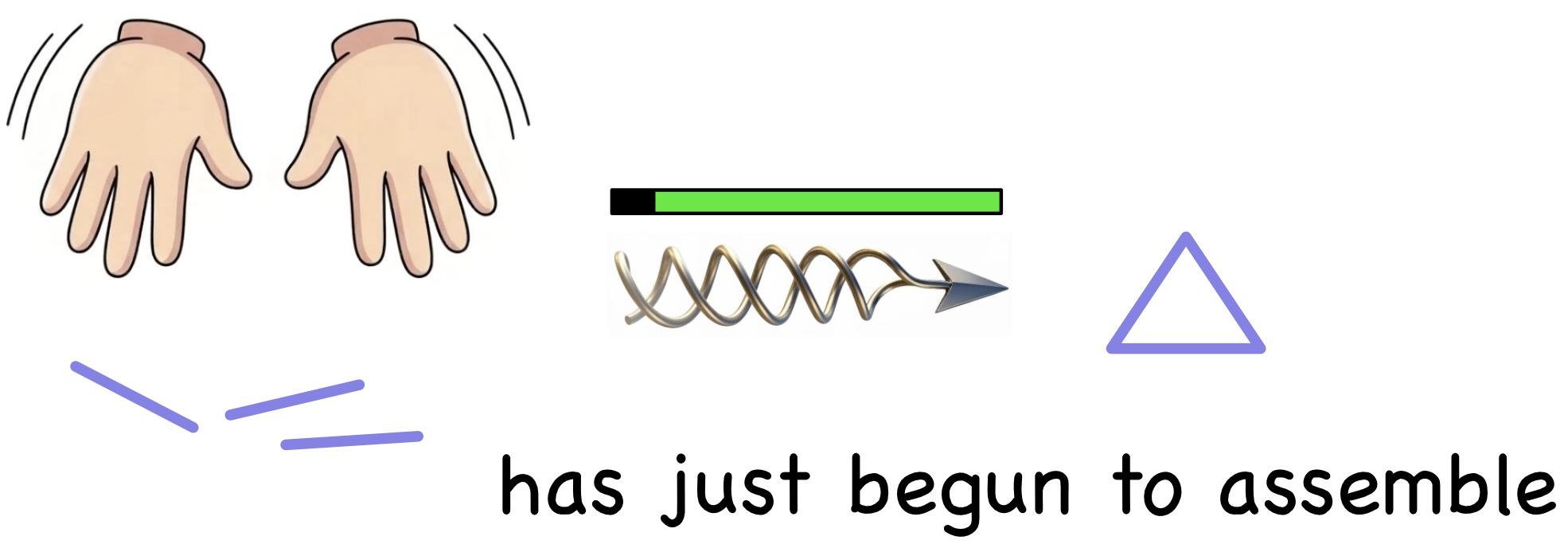
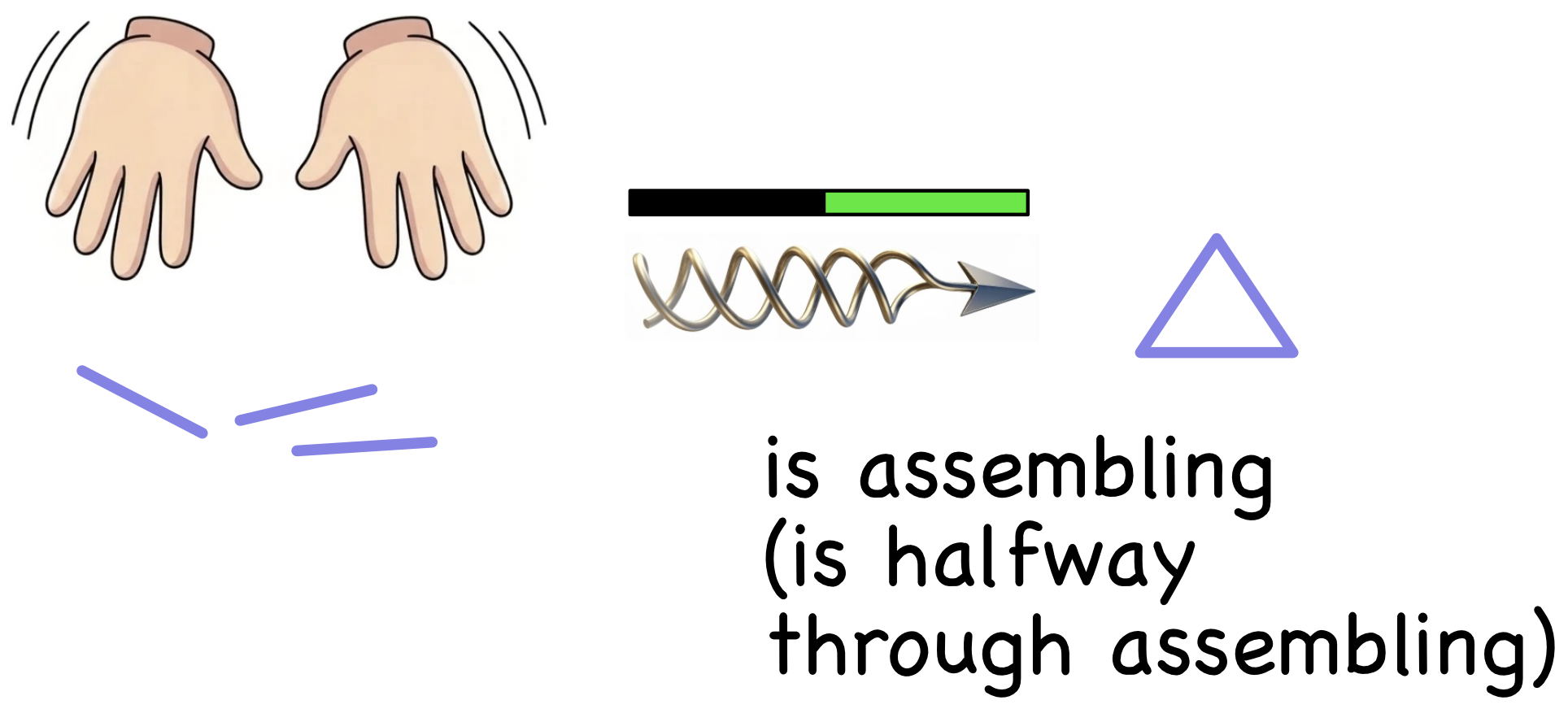
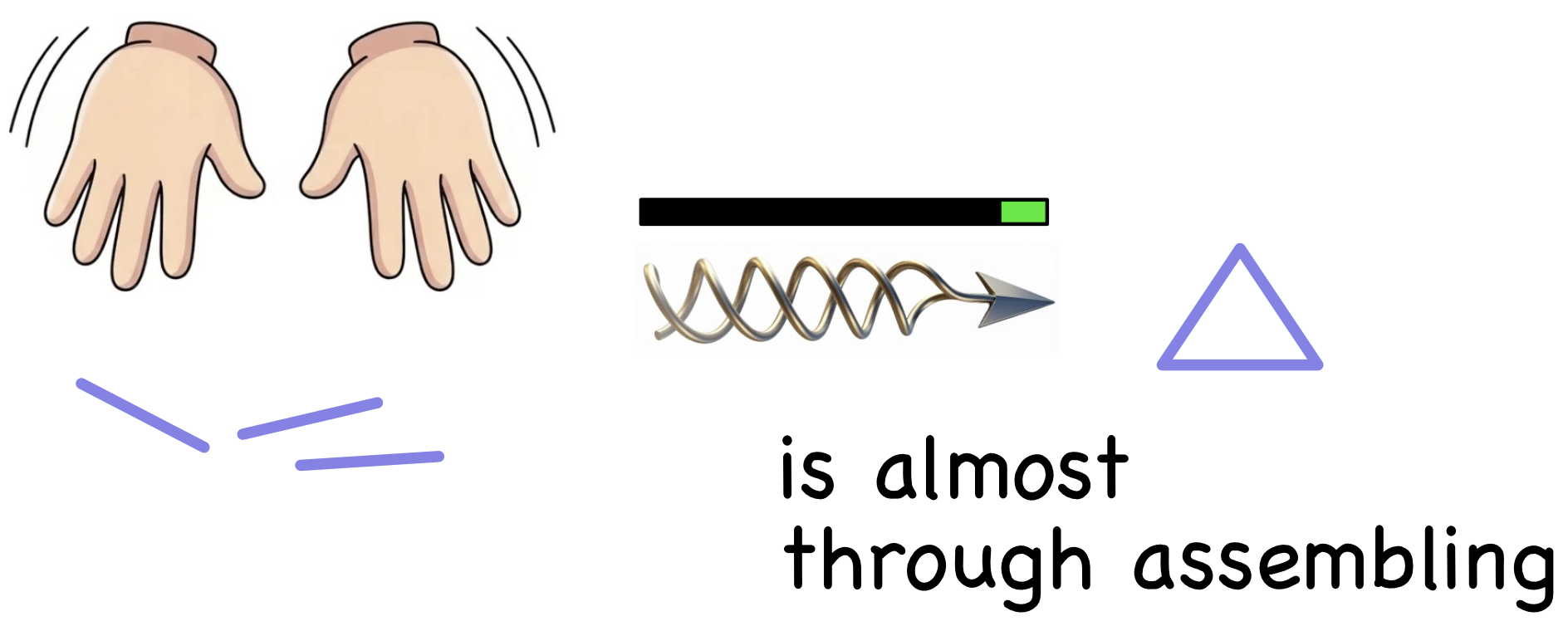
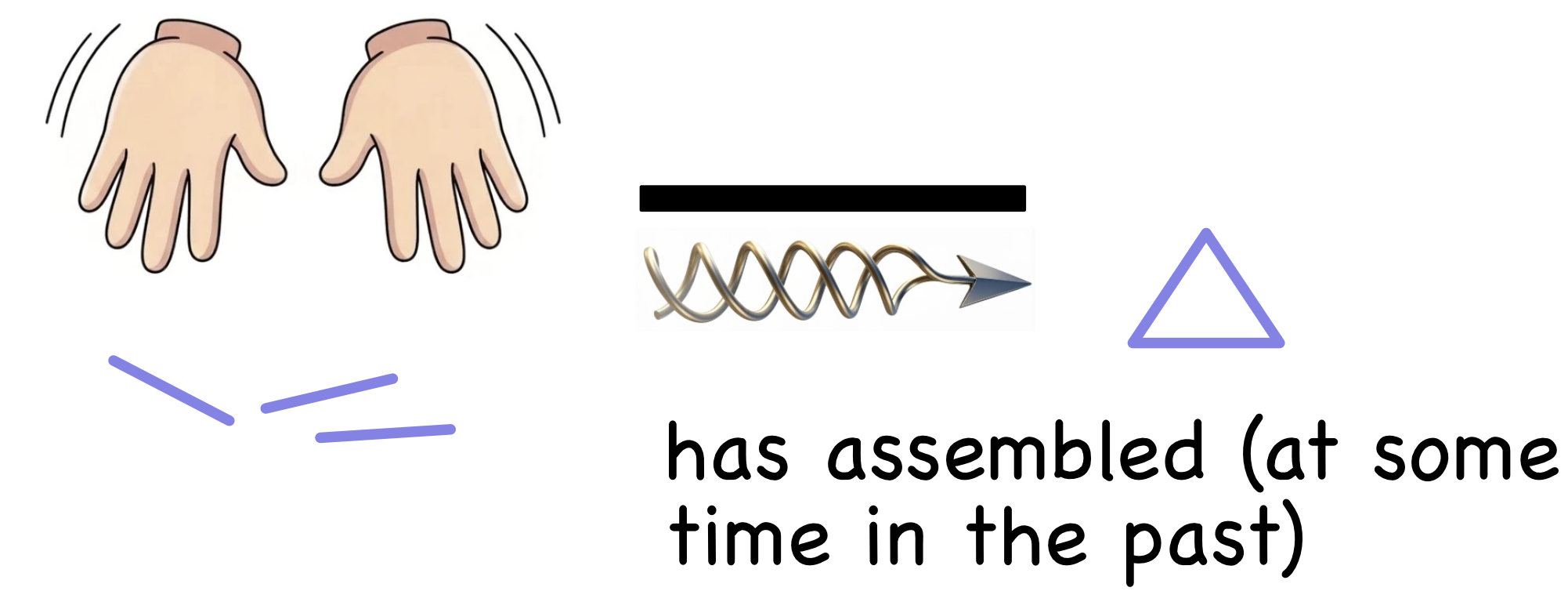
Before we continue talking about transformation symbols, let me just take this opportunity to introduce three important context symbols that derive from the transformation symbol's progress bar:
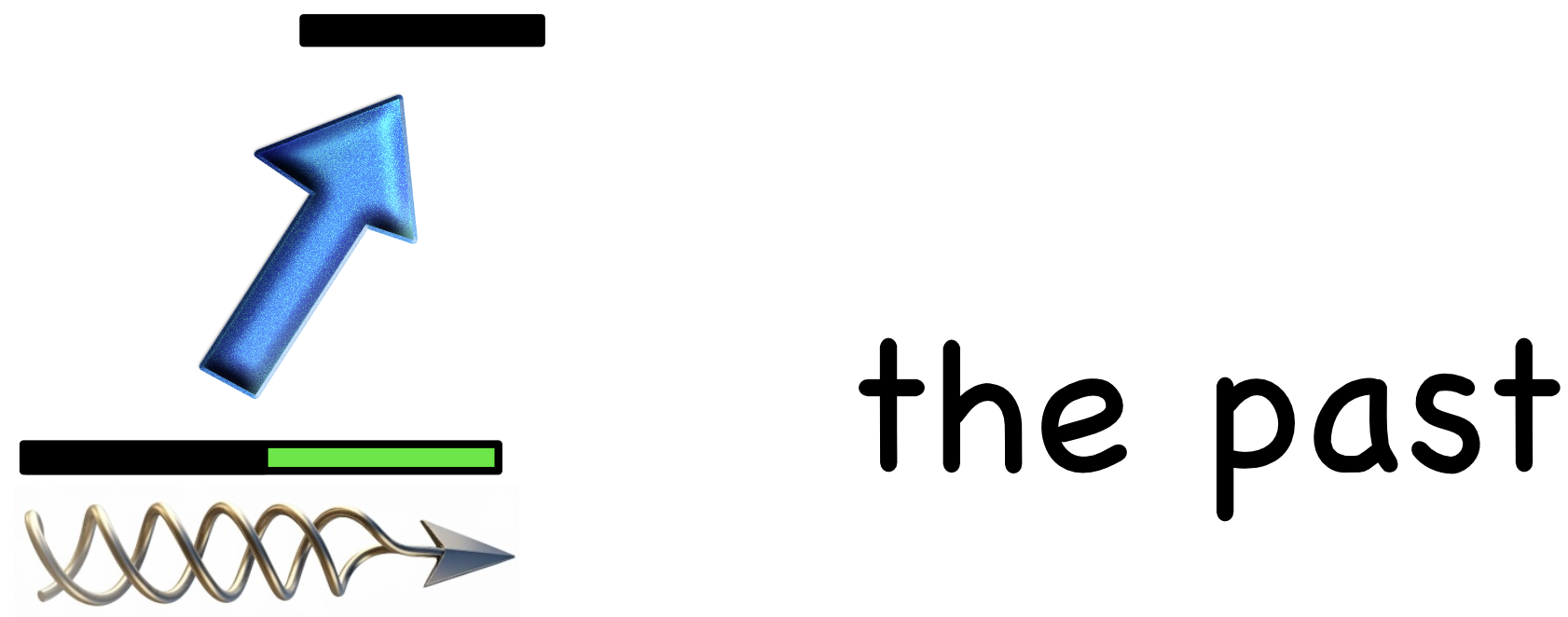
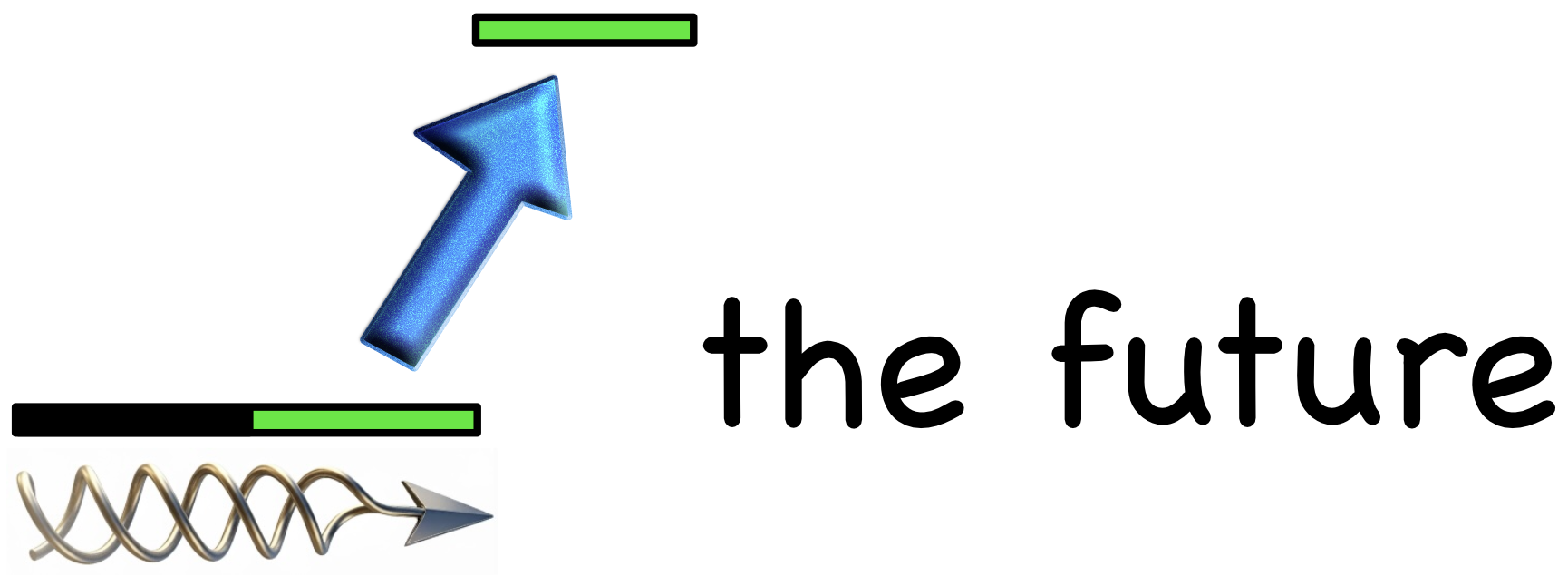
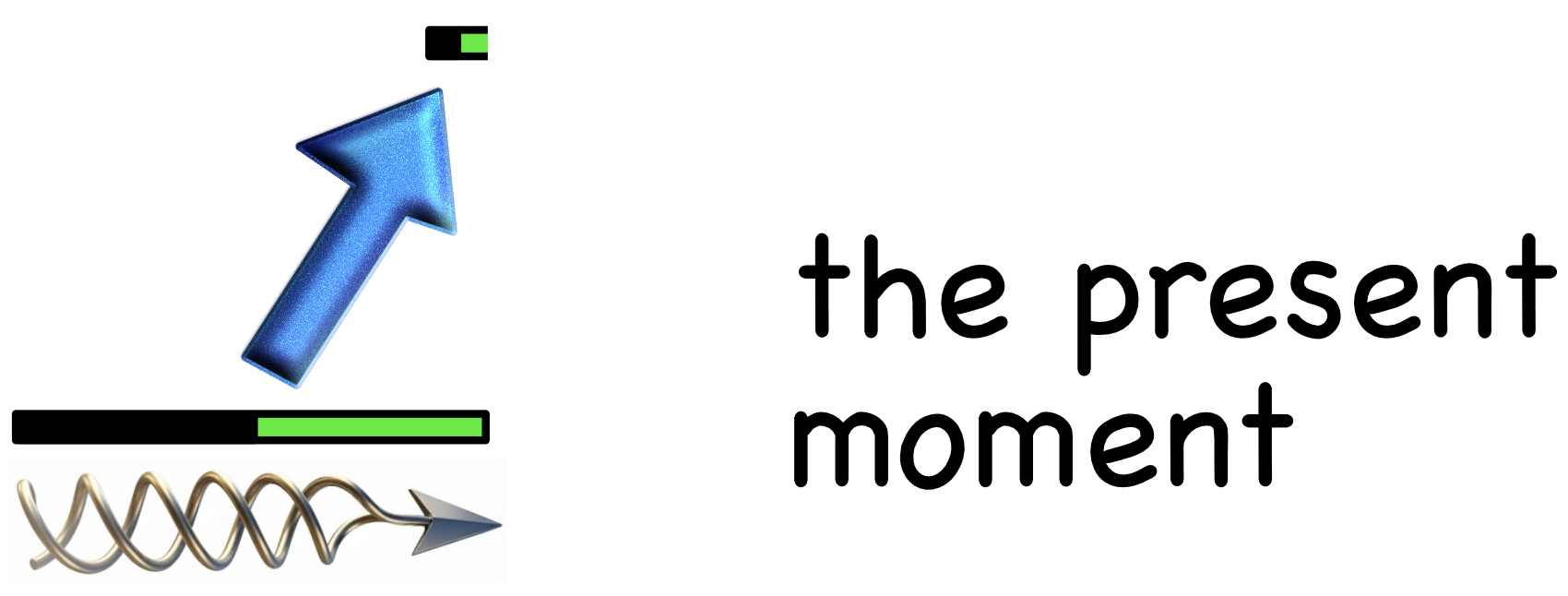
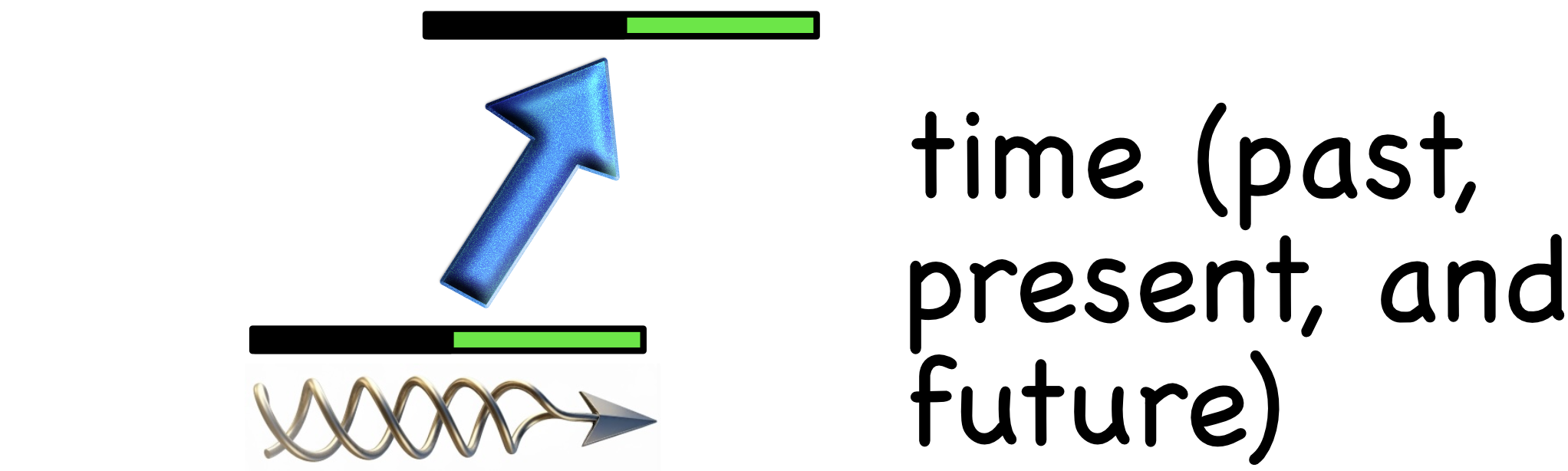
Now let's look at a few more examples of transformation symbols:
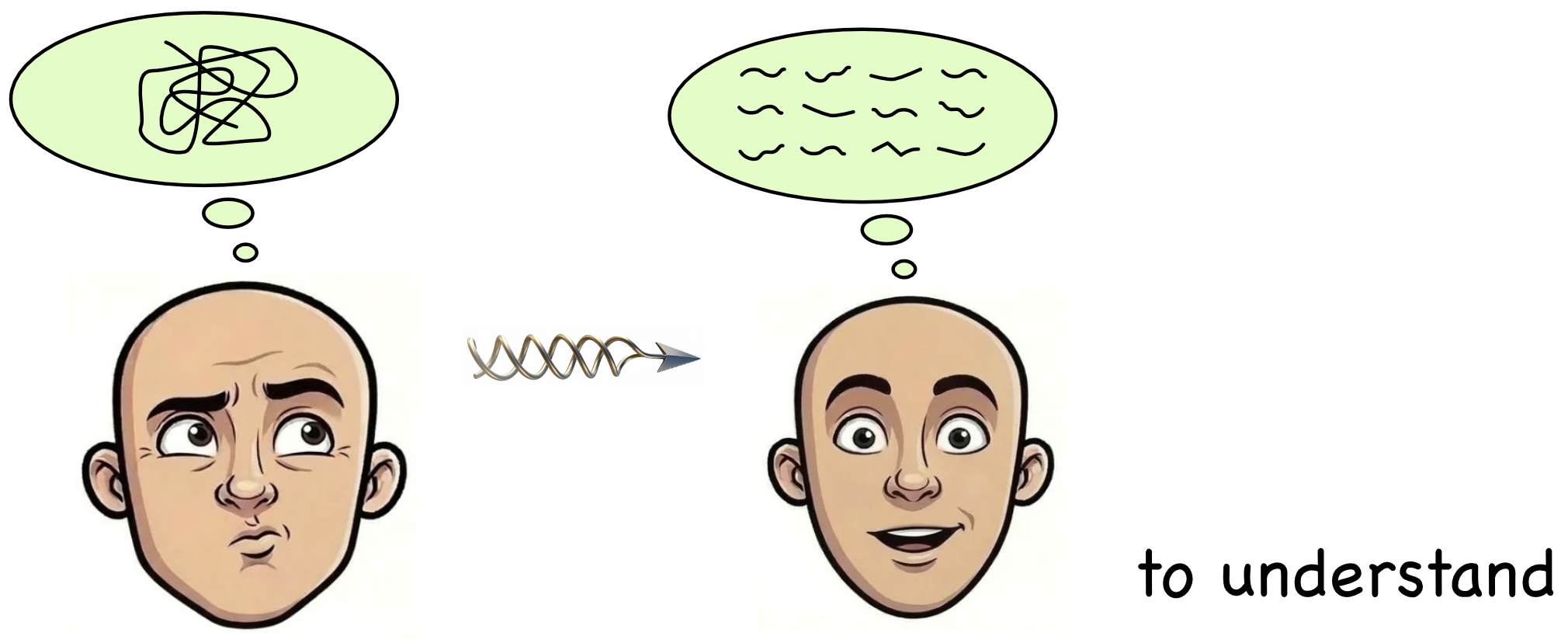
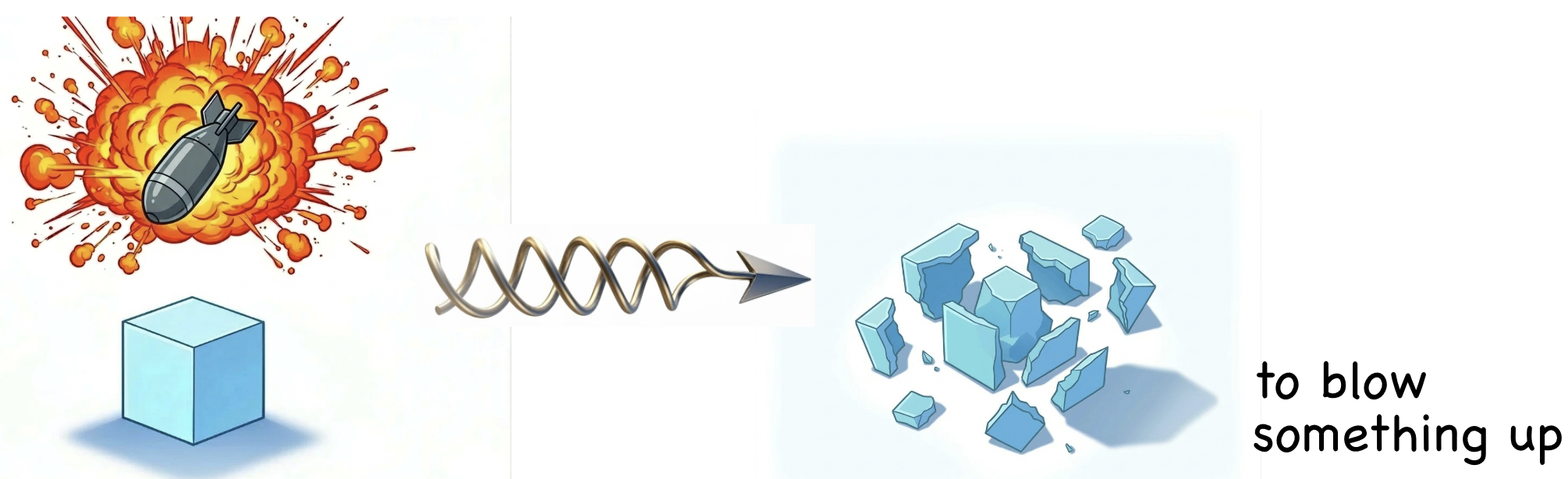
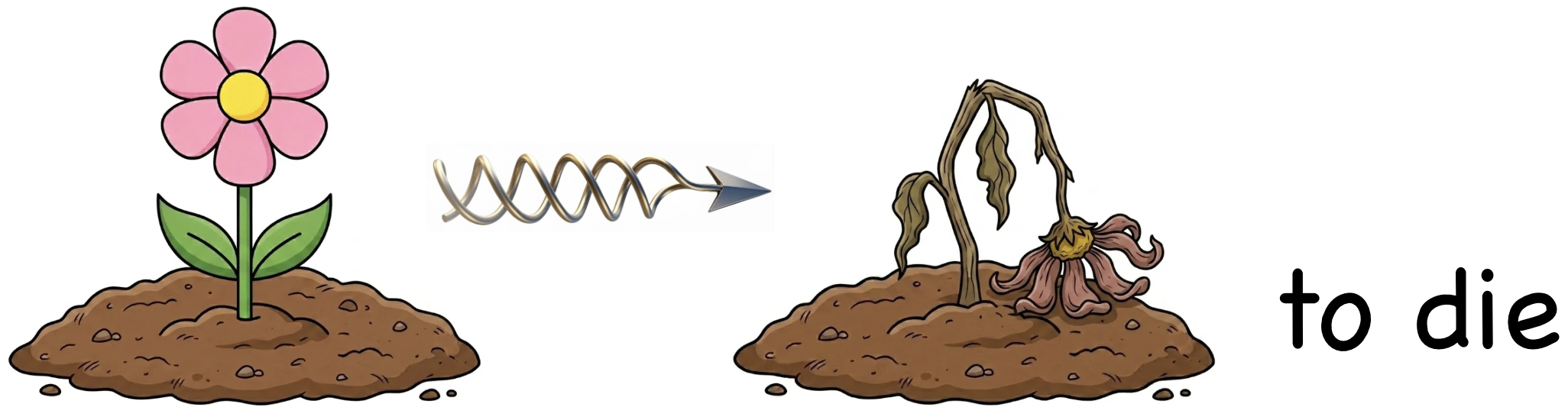
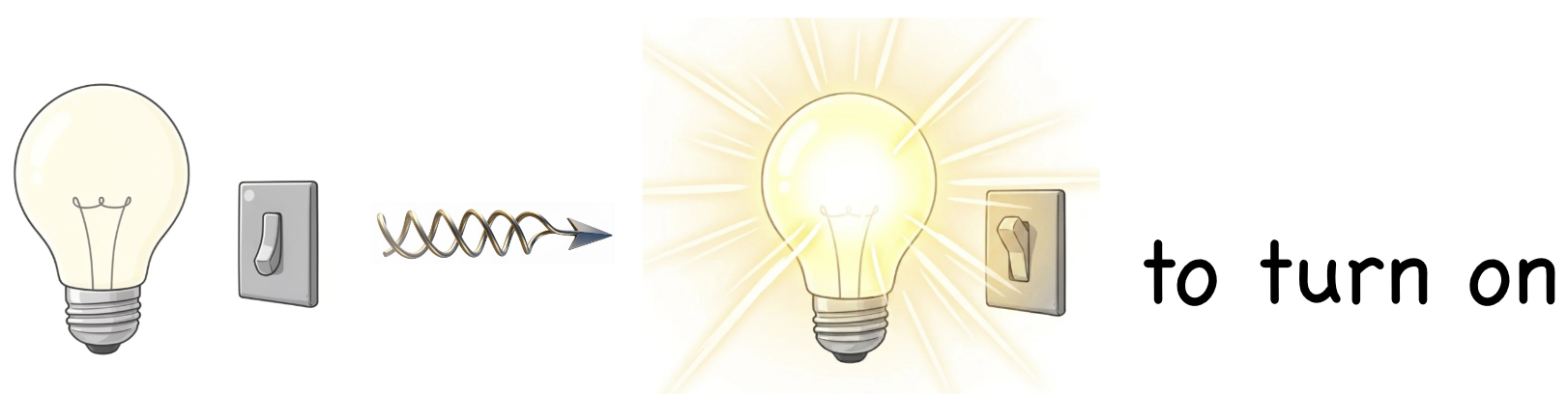
Sometimes we can express an action using only a single picture. In this case we put the picture beneath the helical arrow:
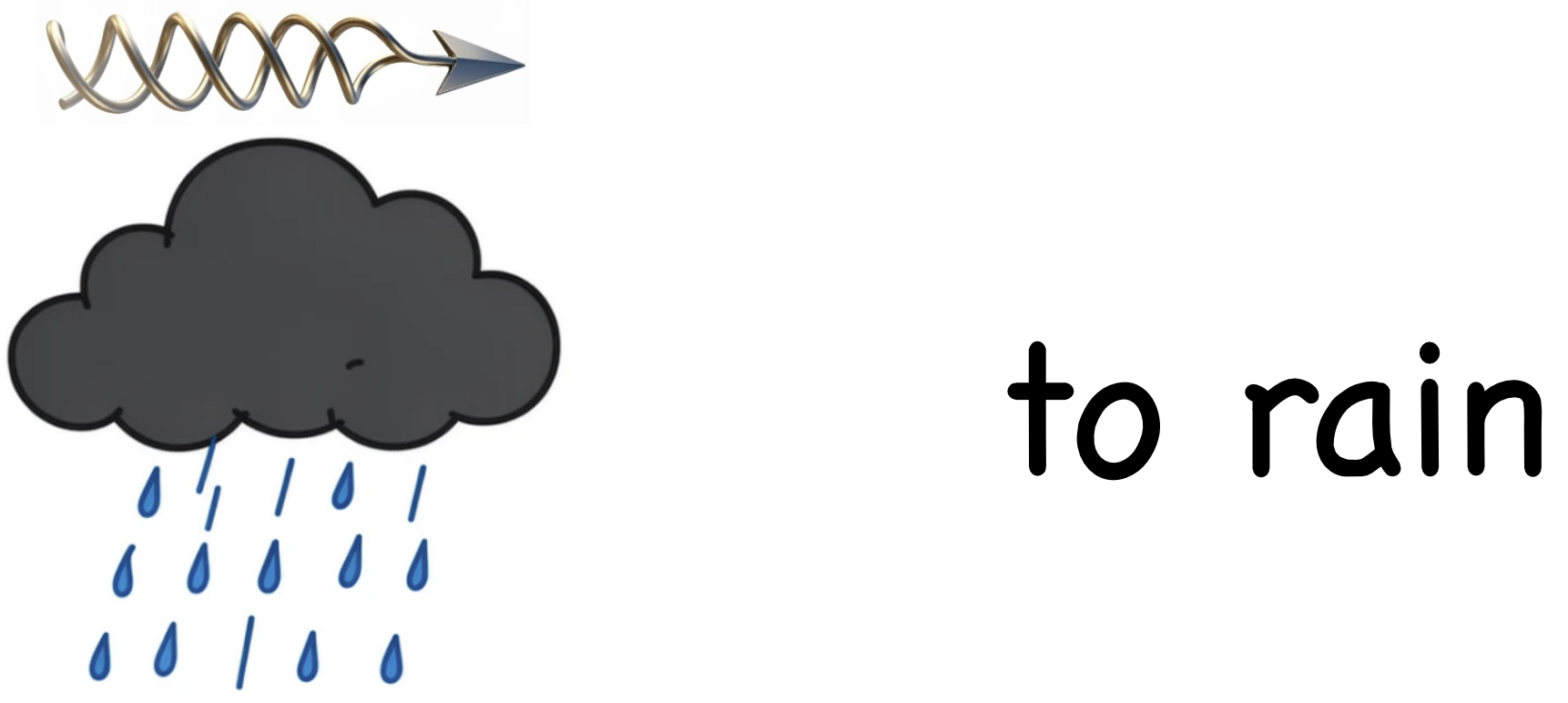
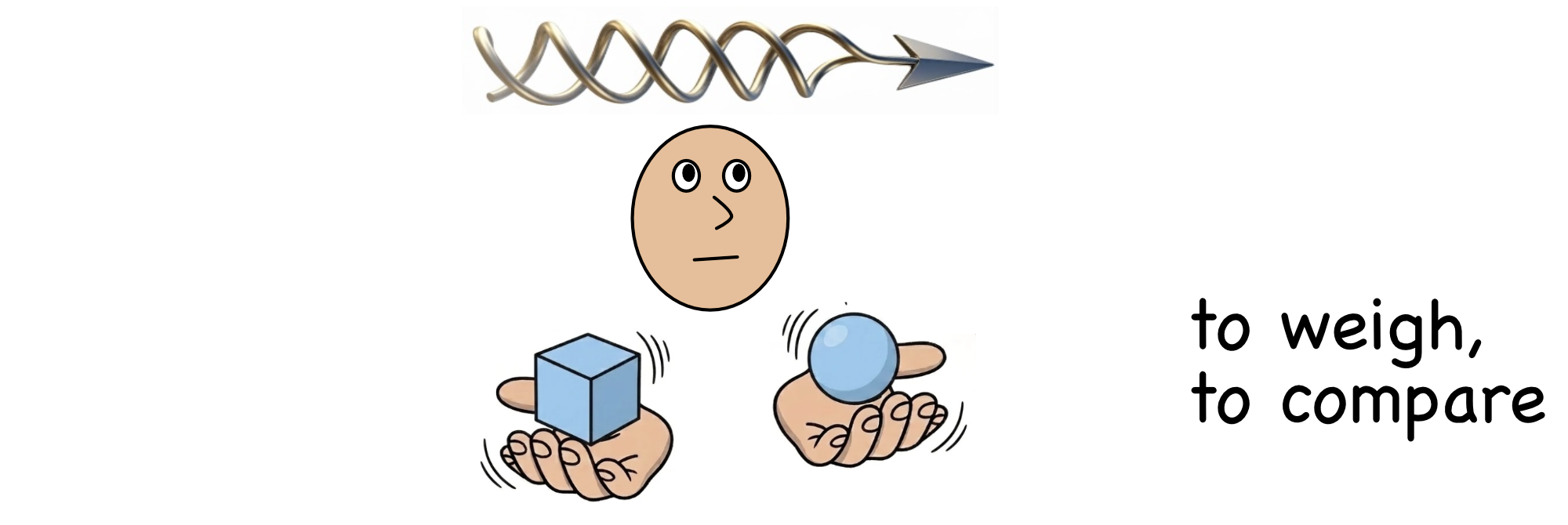
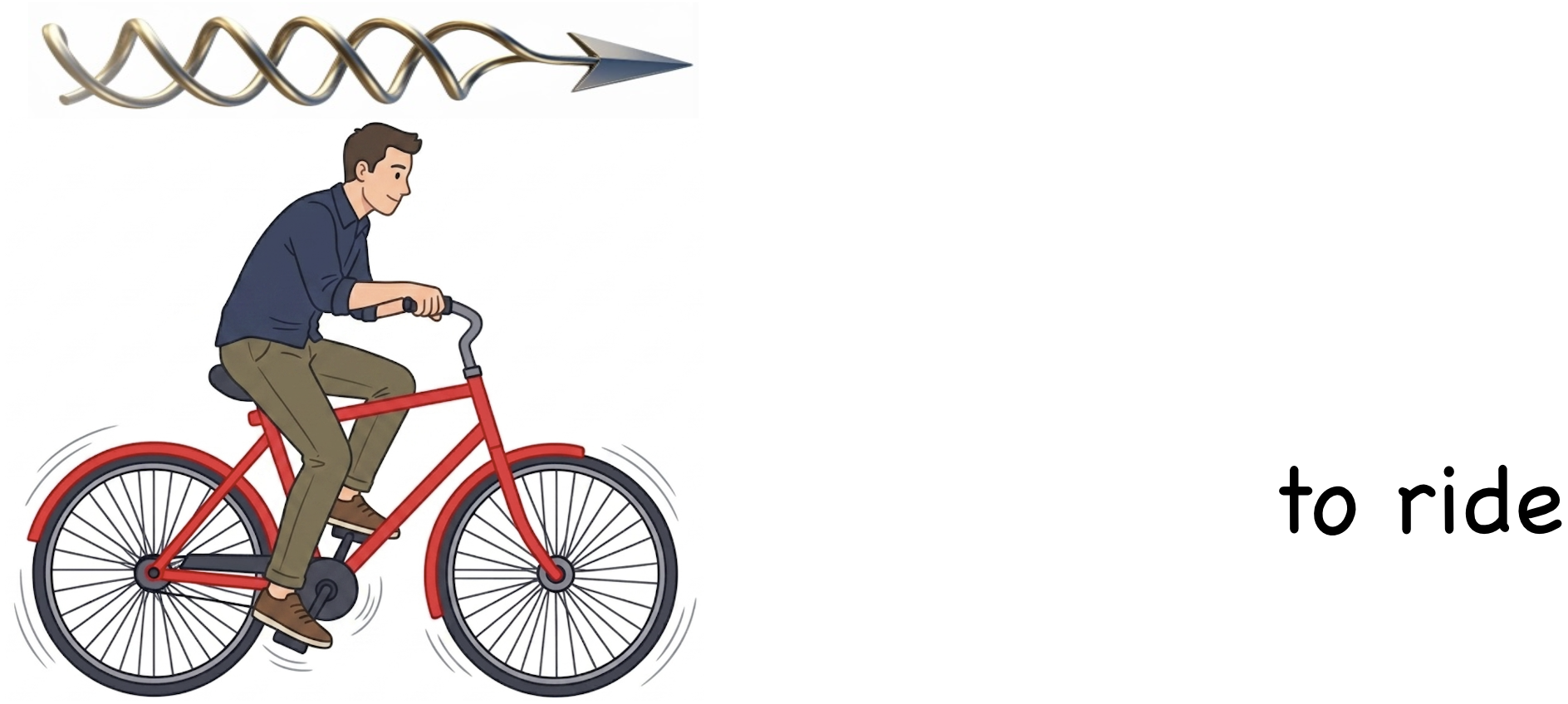
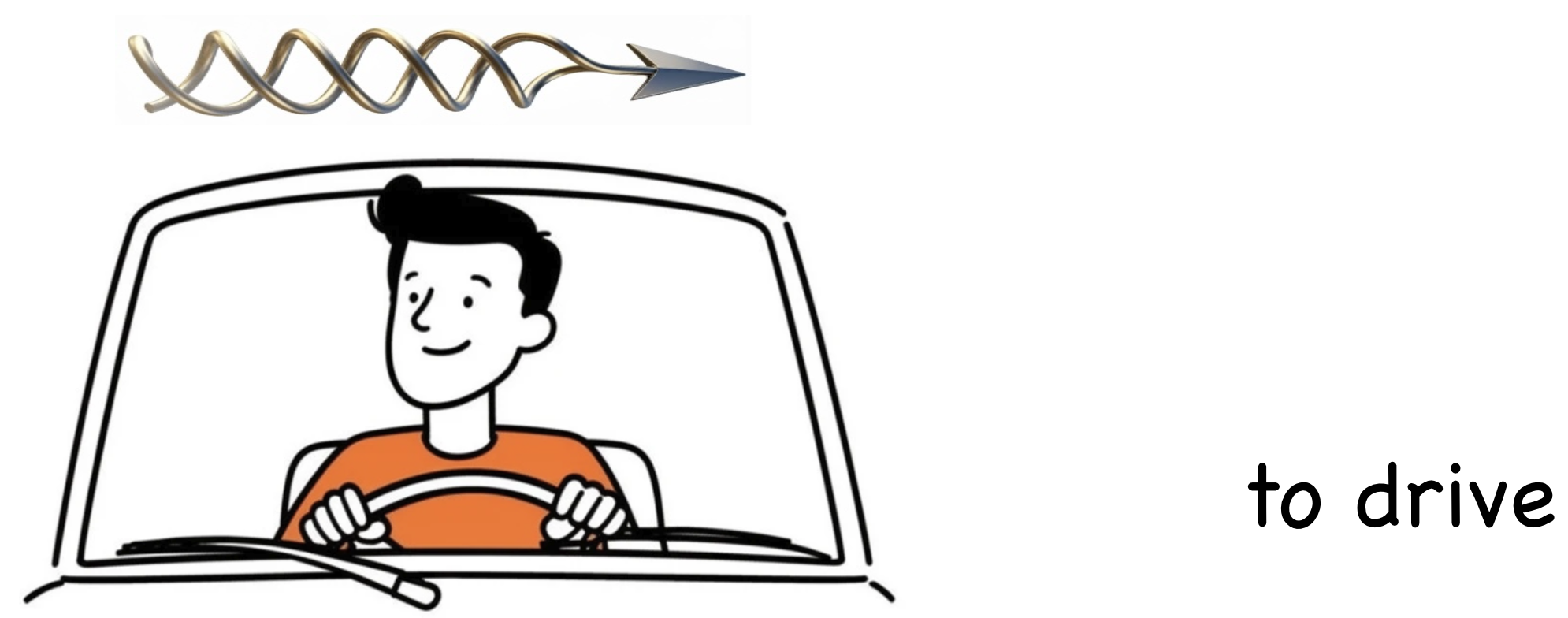
If the symbol above appears by itself, it means "to drive a car" (instead of simply "to drive"). But watch what happens when we follow it with another symbol:
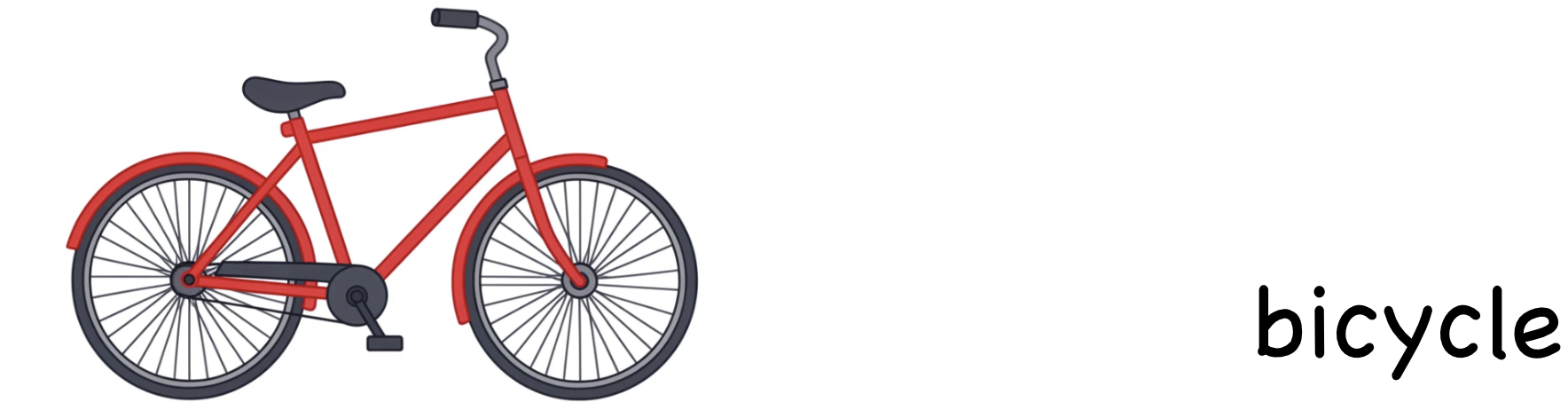
The translation of the phrase above is "to ride a bicycle" ( = "to drive a bicycle").
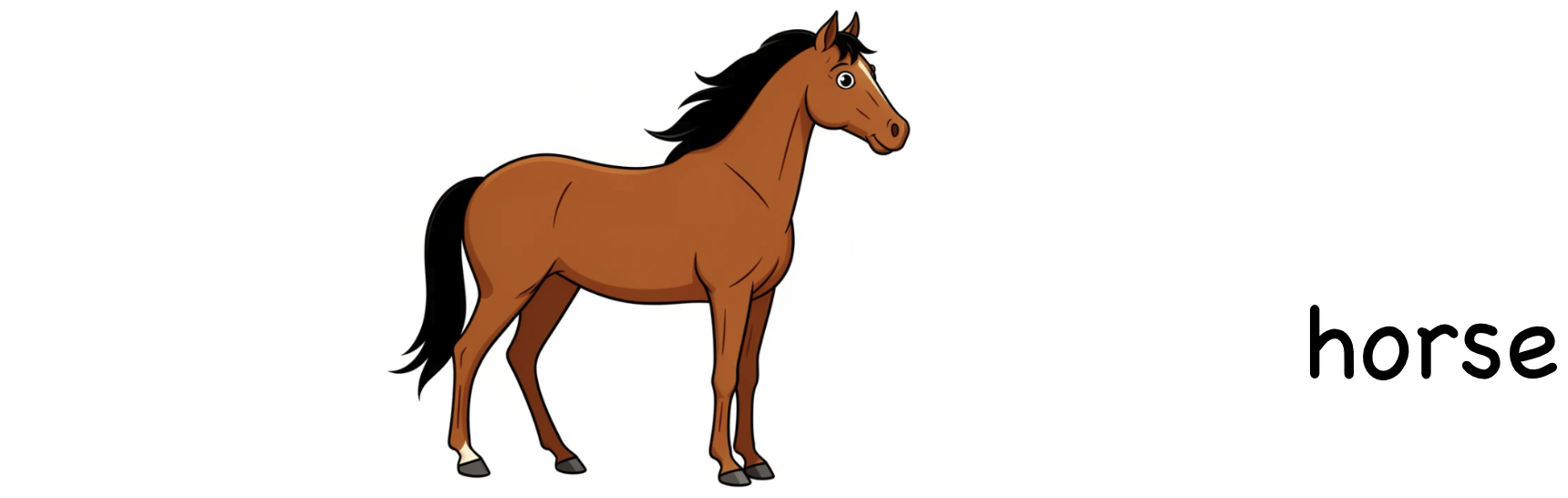
"To ride a horse".
Here are a couple more transformation symbols:


See if you can translate this phrase:
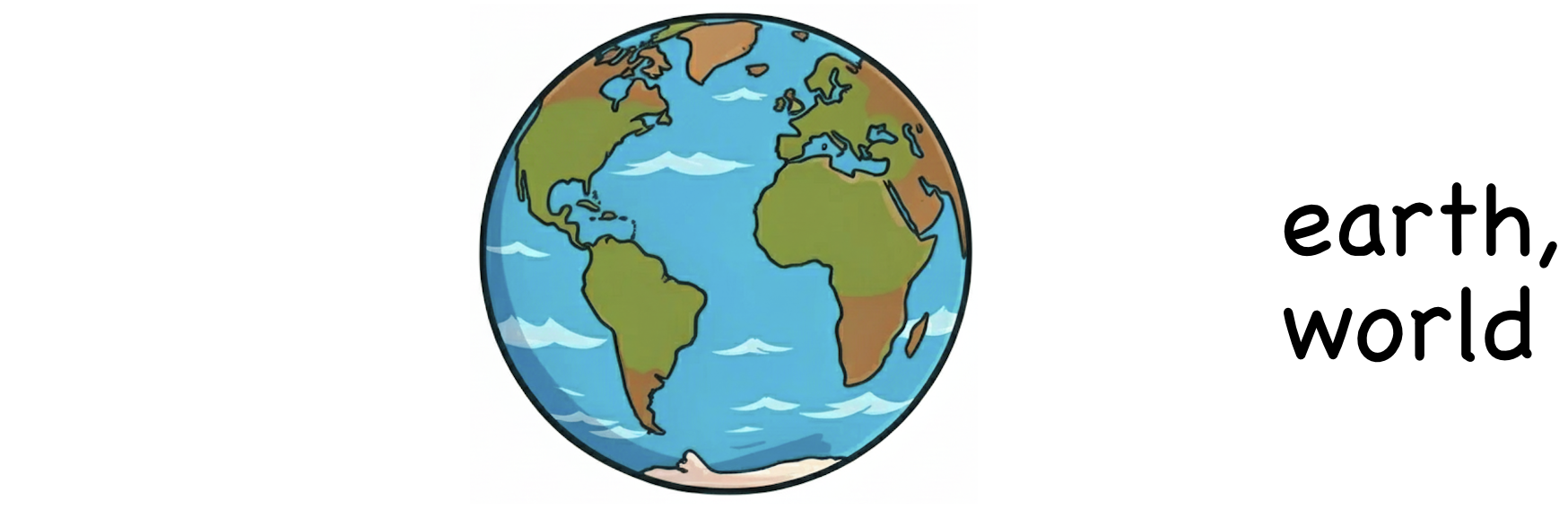
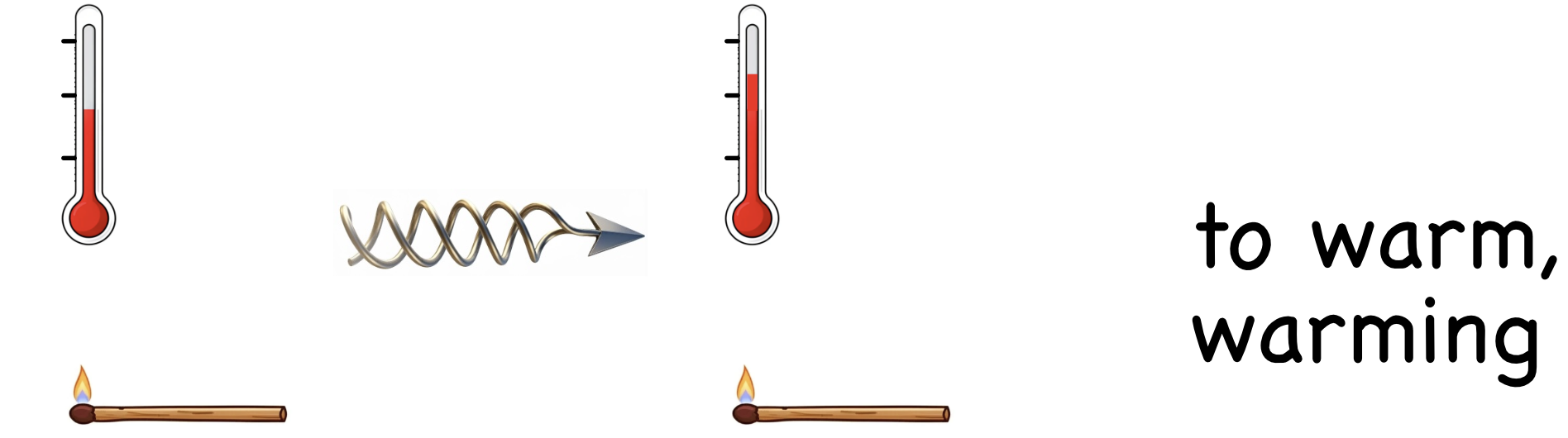
"To solve global warming".
Now try this one:
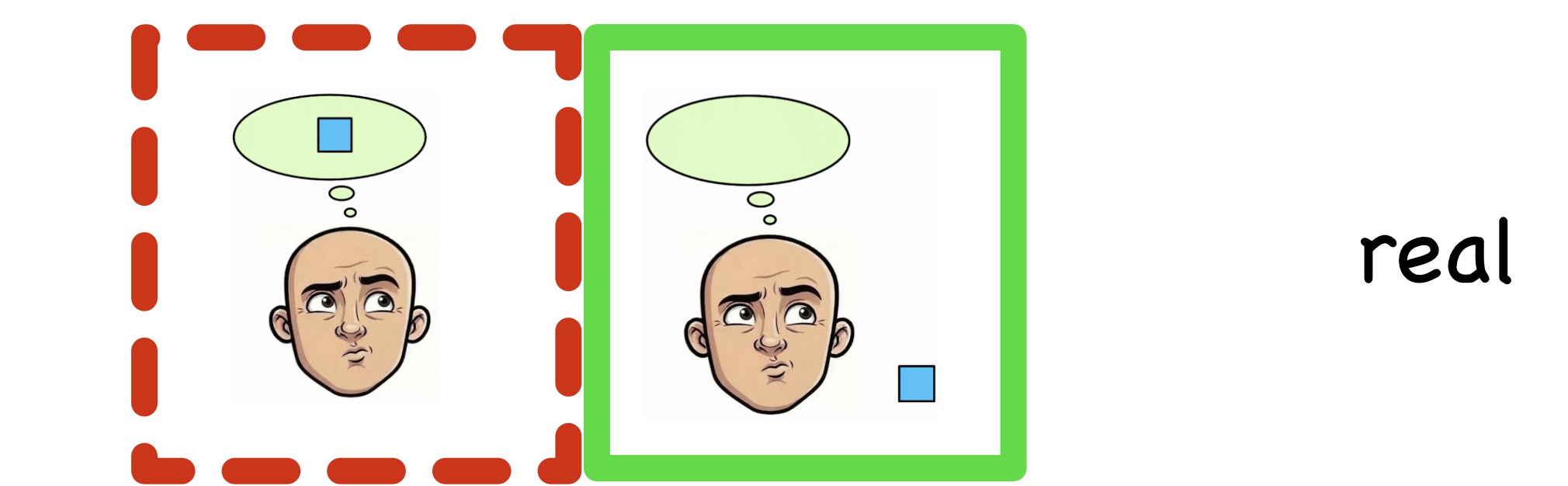
"Global warming is real."
We can use parentheses to group related symbols together. Because picture language is read vertically from top to bottom then we will turn the parentheses sideways:


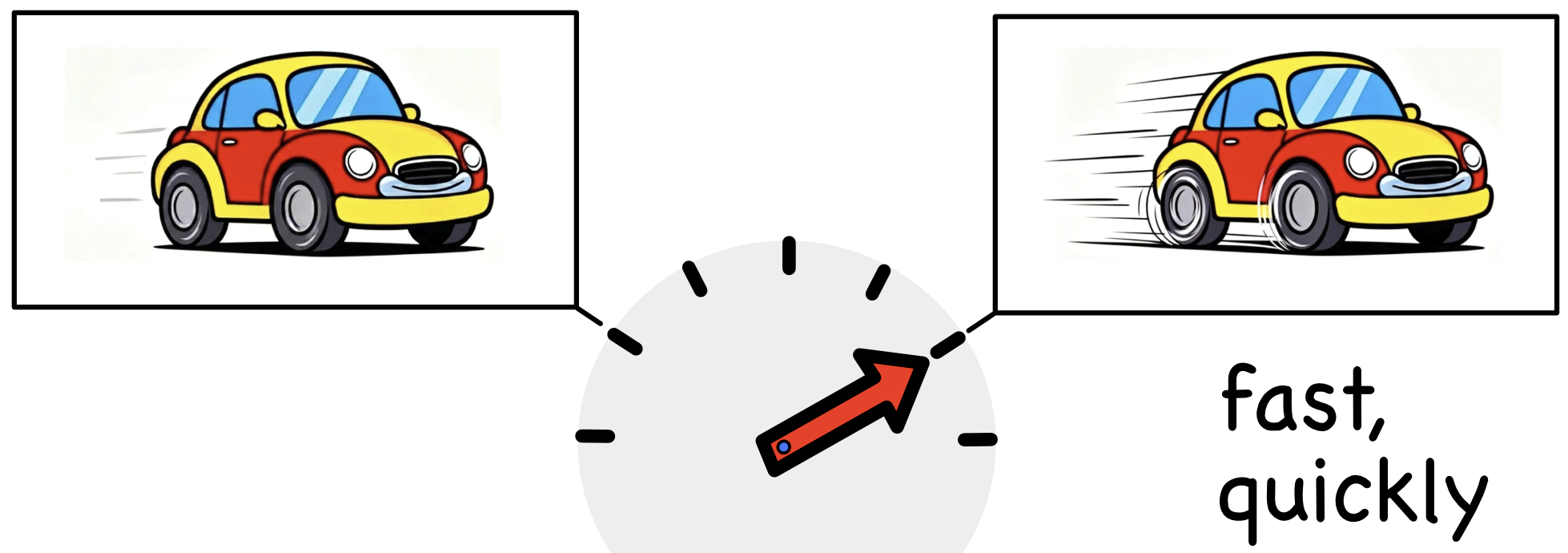
"To ride a horse fast. To ride a horse quickly."
"To ride a fast horse. (To ride a horse that is able to run fast.)"